

Description
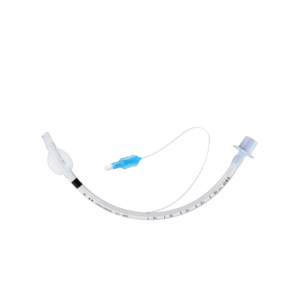
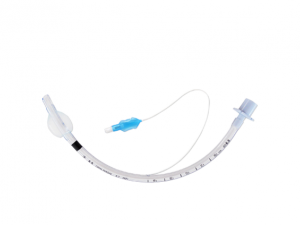
Endotracheal Tube Oral/nasal Uncuffed
Endotracheal tubes are intended to be used to assist in the delivery of anaesthetic gases or air to and from the patients’ lung. The device is inserted by way of the nose or mouth through the larynx into the trachea for the purpose of maintaining an open airway and mechanically ventilating the patient. It is attached to the anaesthetic machine or respirator via a connector after insertion into the patient. The product is intended for single use only. More detailed product and packaging information is available under Additional Resources.
ORAL PREFORMED ET TUBE is designed to reduce kinking of the tube by incorporating a preformed curvature.
General Information :
An endotracheal tube is a breathing tube. It is used temporarily for breathing because it keeps your airway open. This curved tube is placed through the patient’s nose or mouth into his trachea (windpipe). Tape or a soft strap holds the tube in place.
Types of endotracheal tube include oral or nasal, cuffed or uncuffed, preformed (e.g. RAE (Ring, Adair, and Elwyn) tube), reinforced tubes, and double-lumen endobronchial tubes. For human use, tubes range in size from 2 to 10.5 mm in internal diameter (ID). The size is chosen based on the patient’s body size, with the smaller sizes being used for pediatric and neonatal patients. Tubes larger than 6 mm ID usually have an inflatable cuff.
An endotracheal tube is used :
· To attach a ventilator if the patient is unable to breathe on its own.
· To keep the patient’s trachea (windpipe) open.
· To allow the staff to remove mucus from the patient’s lungs that he is unable to cough up himself.
Things to Know When The Patient has An Endotracheal Tube
· The endotracheal tube passes through the patient’s vocal cords. This means that the patient will not be able to speak while the tube is on his throat. The patient can mouth words, write notes or use gestures.
· While the patient has the endotracheal tube in place he may not eat or drink because it may cause choking. He will receive fluid and nutrition through an intravenous (IV) or stomach tube. The nursing staff will give him wet swabs if his mouth is dry.
· The nurse or respiratory therapist will suction the patient’s endotracheal tube from time to time. This is done to remove mucus from the patient’s lungs. Suctioning will cause him to cough. The patient also may feel short of breath for several seconds. He will be given extra oxygen during suctioning to help decrease the short – of – breath feeling.
· The endotracheal tube will be removed when the patient’s doctor feels that he can breathe well by himself. He will be given oxygen after the endotracheal tube is removed. The oxygen may be given through a face mask or soft plastic prongs placed just inside the patient’s nose. The nurse will remind the patient to breathe deeply and cough. The patient’s voice may be hoarse, but the hoarseness will gradually decrease.
How is the breathing tube held in place?
The breathing tube is held in place with tape or a plastic device. The nurses and respiratory therapists secure the tube with tape. The tape extends around the neck to form a circle of tape holding the tube in place.

















Reviews
There are no reviews yet.